



CO₂ image

Innovations from Earth,
Solutions for Humanity
LIMEX

"LIMEX" is a sustainable material that can be made not only from limestone, which is abundant on Earth, 
 
but also from the massive amounts of CO2 that humanity continues to emit.

Replace everyday materials with LIMEX to combat global warming,

reduce our reliance on petroleum, and preserve our planet's

vital resources like water and forests. 

LIMEX
The game-changer for a sustainable future.

LIMEX2.0 logo

Made from Emitted CO₂

CaseExamples of initiatives

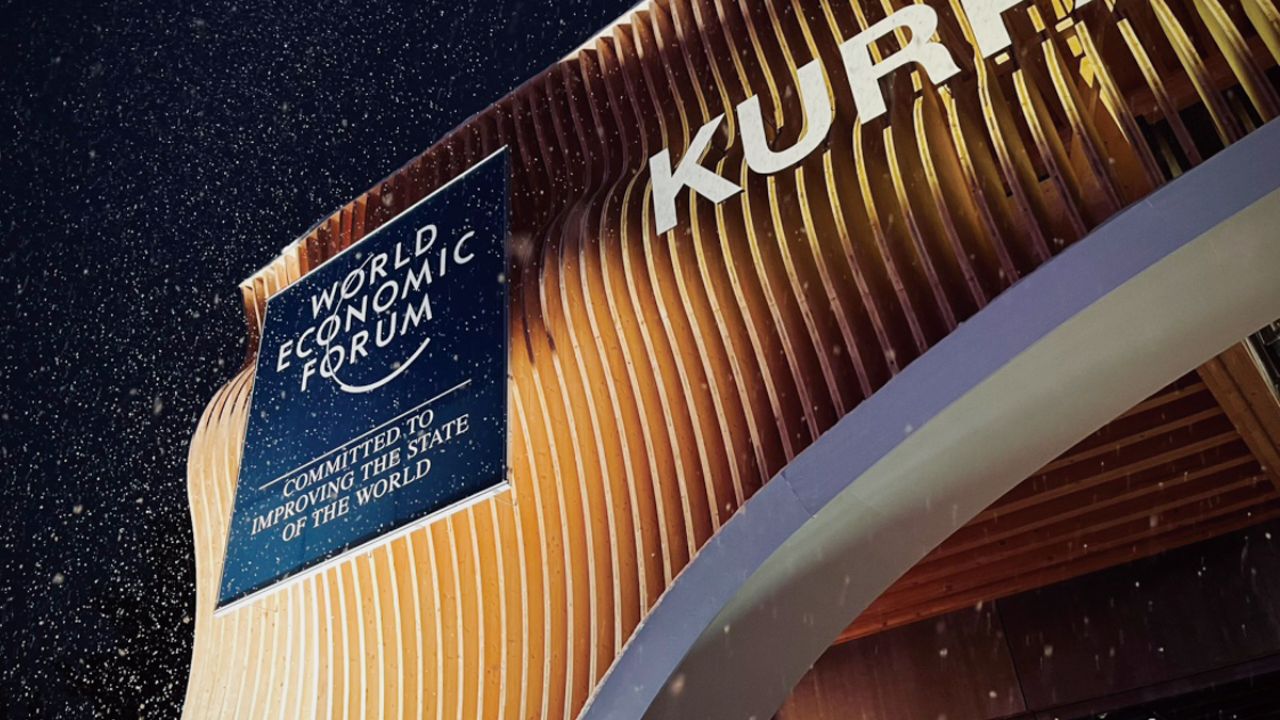
Announcement of "Next Generation LIMEX," low-carbon material made using CCU technology, at the Davos Conference


Announced “Next-Generation LIMEX,” a low-carbon material with CCU technology, at the WEF Davos Meeting

At the World Economic Forum Annual Meeting (Davos) held in Davos, eastern Switzerland (January 15-19, 2024), we announced “Next-Generation LIMEX,” developed using CCU technology. CCU technology separates and captures emitted CO2 and reuses it as various carbon compounds, and it has attracted attention in Japan and overseas as one of the important technologies for reducing CO2 emissions into the atmosphere.

Click here for press release 

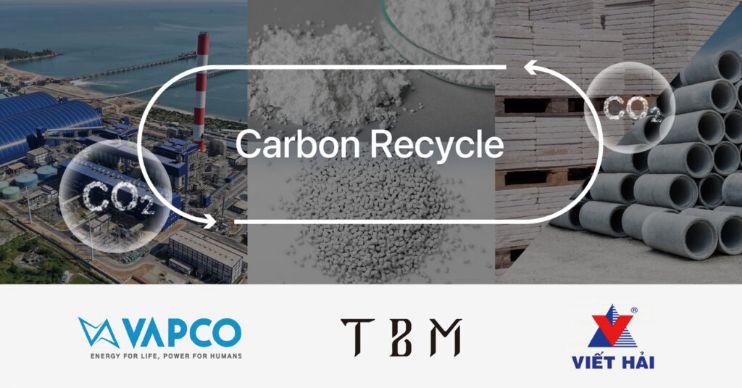
TBM has signed a basic agreement to build CCU plant and manufacture carbon materials in cooperation with VAPCO, a coal-fired power plant operator, and Viet Hai, a major Vietnamese construction company, to realize a carbon capture and utilization project.

TBM to build a CCU material plant, signing an MoU with a coal-fired energy company and a major Vietnamese construction company to advance a CCU project.

We have signed an MOU to construct a plant to manufacture CCU materials using CO₂ emitted from thermal power plants in Vietnam and steel slag as raw materials. We will manufacture "CR LIMEX" and also CCU calcium carbonate.

Click here for the announcement

CR LIMEX adopted for Sora Botanical Garden's "Plant Cultivation Kit," an officially licensed product for the 2025 Osaka-Kansai Expo

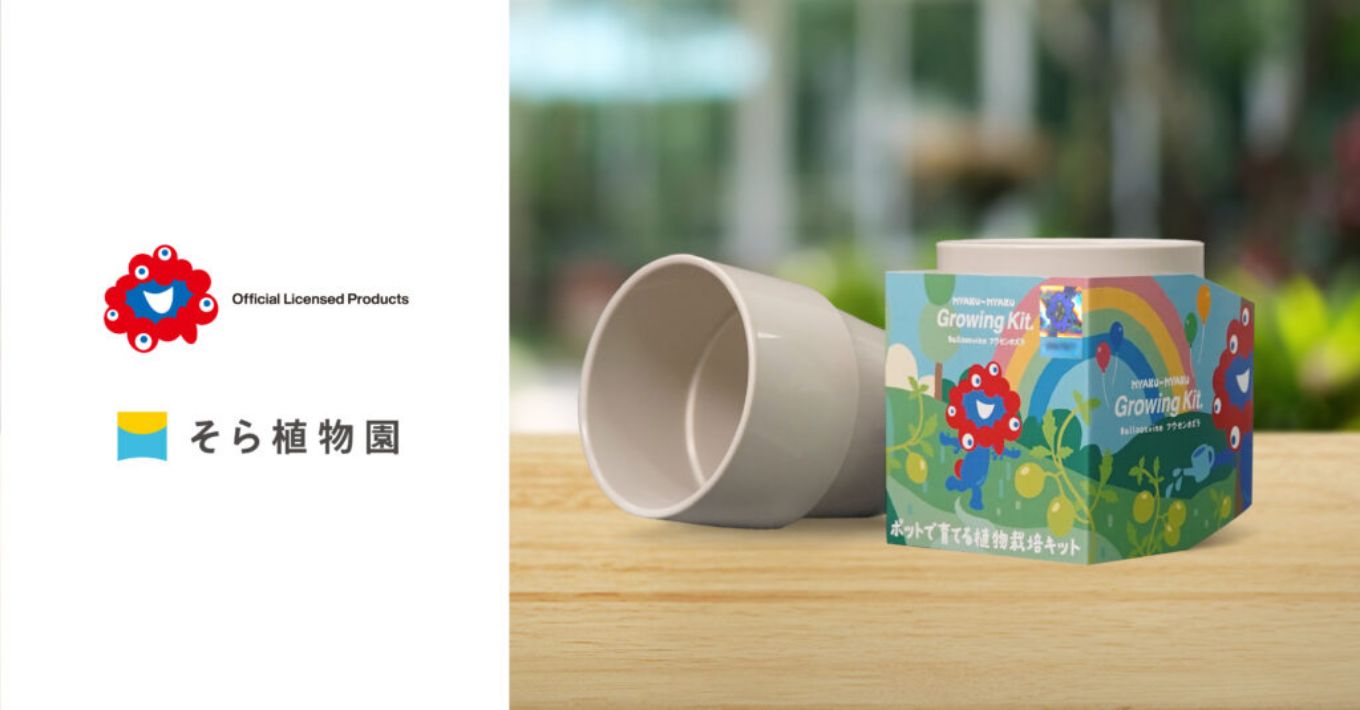
CR LIMEX adopted for Sora Botanical Garden's official licensed "Plant Cultivation Kit" for Expo 2025 Osaka, Kansai

ora Botanical Garden Co., Ltd. has launched the "EXPO2025 MYAKU-MYAKU Plant Cultivation Kit" and the "EXPO2025 MYAKU-MYAKU GOMI-MYAKU Plant Cultivation Kit." The pots use CR LIMEX and contain CO2 equivalent to about 25% of the total pot weight. The products are sold exclusively at the Expo 2025 Osaka, Kansai, Japan Official Store (East Gate Store) MARUZEN JUNKUDO inside the Expo venue.

Click here for the announcement

TBM and Takasho develop board fence using "CR LIMEX" that fixes CO₂

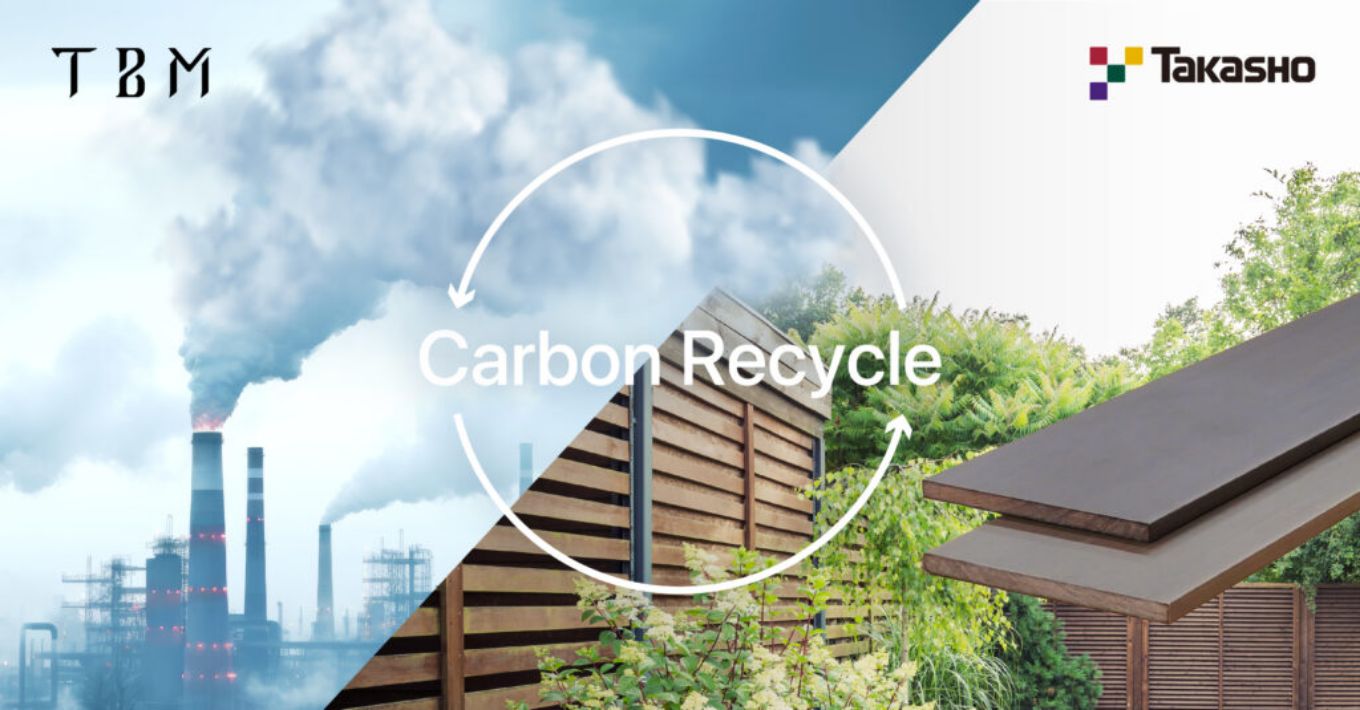
TBM and Takasho develop a board fence using CR LIMEX fixing CO2

Together with Takasho Co., Ltd., a garden lifestyle manufacturer, TBM has developed the "Mokupla Board ECO" using CR LIMEX. While containing CO2 equivalent to about 8% of the product weight, it delivers durability and workability comparable to conventional products. It can be used as a wood-grain fence that gives a soft, natural-wood-like appearance. This is an advanced example of putting CCU technology into practical use in the building and construction materials field.

Click here for press release 

Productsmaterial development

low-carbon material CR LIMEX / CCU calcium carbonate

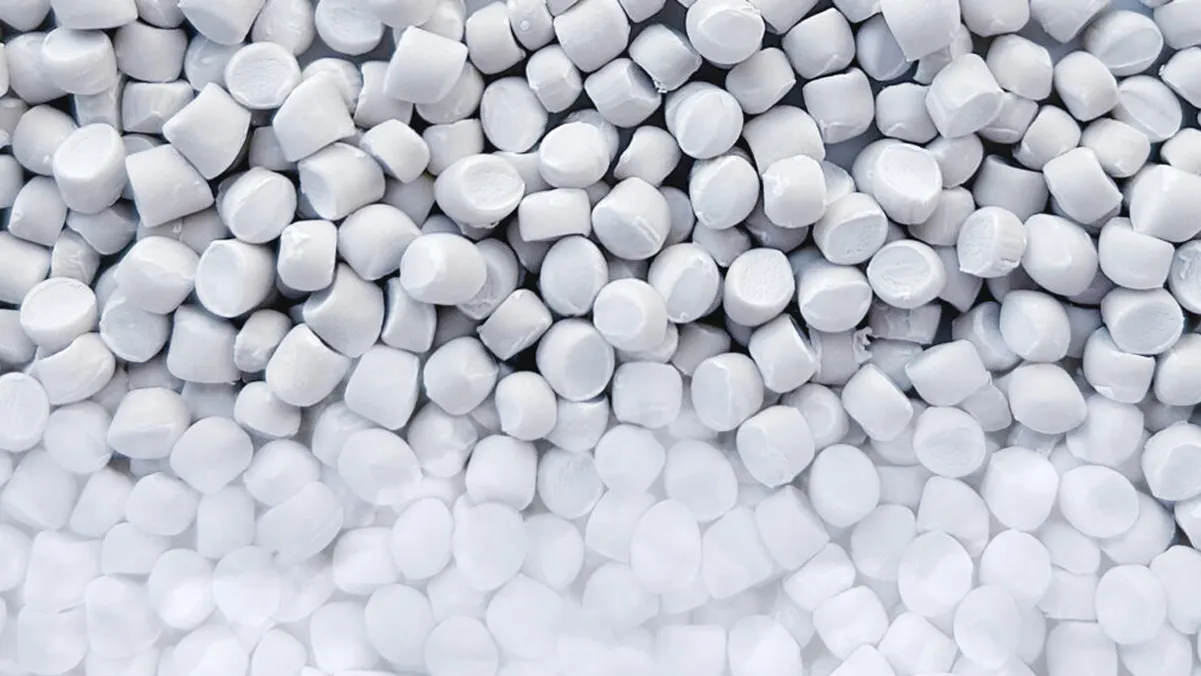
CR LIMEX is an innovative low-carbon material developed by putting carbon recycling technology into practical use. It combines resin with CR calcium carbonate, which is chemically synthesized from CO2 derived from factory exhaust gas, as its main raw material. In addition to its environmental value, it also delivers strong practical performance, including moldability on existing equipment, durability, and design flexibility. It can also be designed to further reduce environmental impact by combining recycled plastic into the resin portion. Adoption is expanding in high value-added markets, including building materials such as interior and exterior applications.

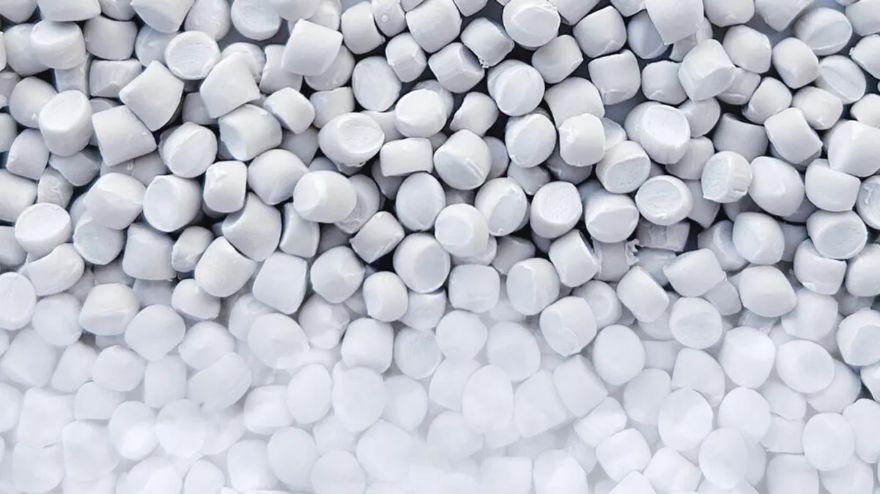
CR LIMEX Pellet

CR LIMEX Pellet

  • PP60-45H
  • PS75-46H
  • PP60-53M
  • PS78-T0391
CR LIMEX Sheet

CR LIMEX Sheet

  • White soft 300μm sheet
  • Semi-transparent hard 150μm sheet
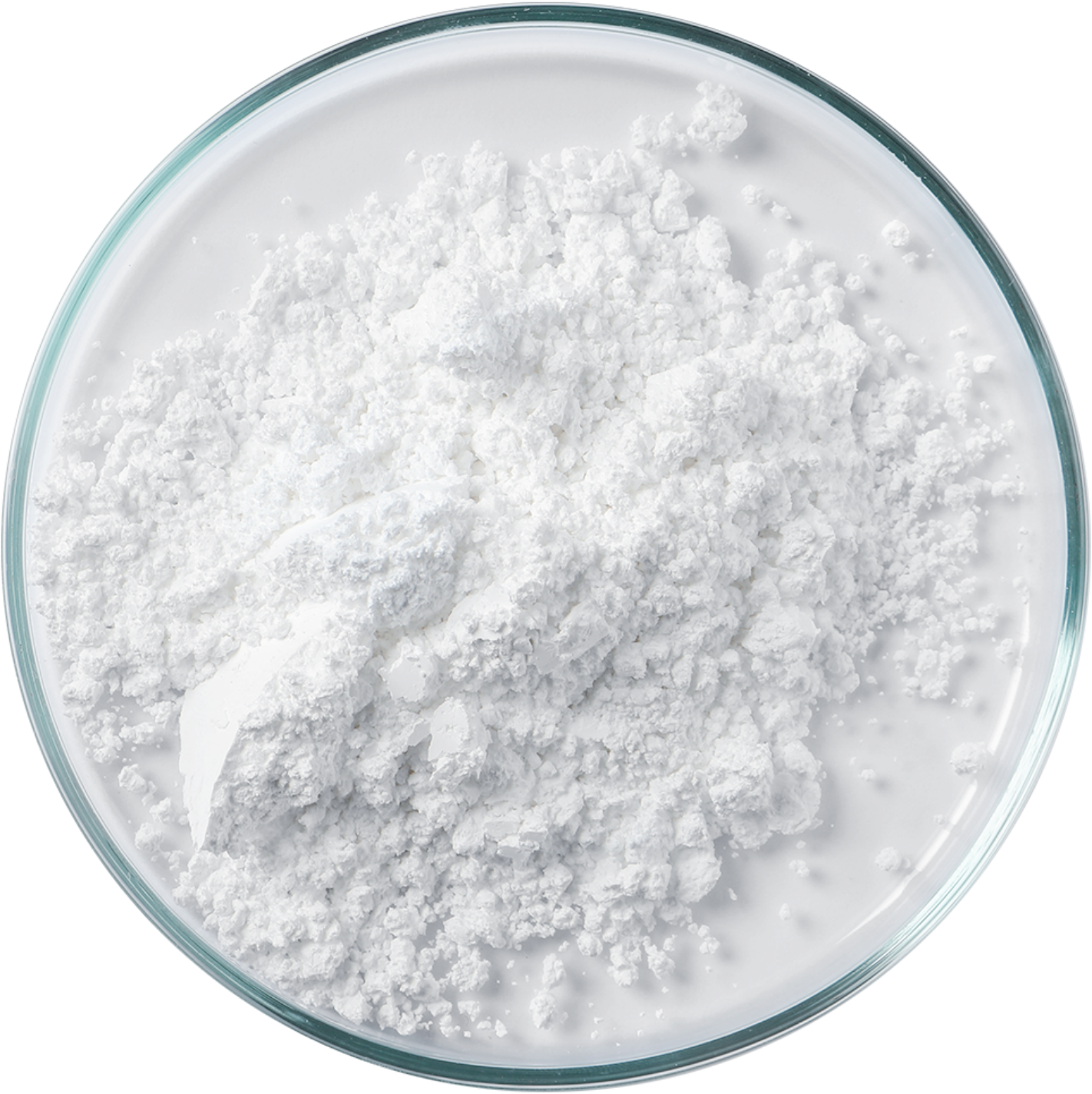
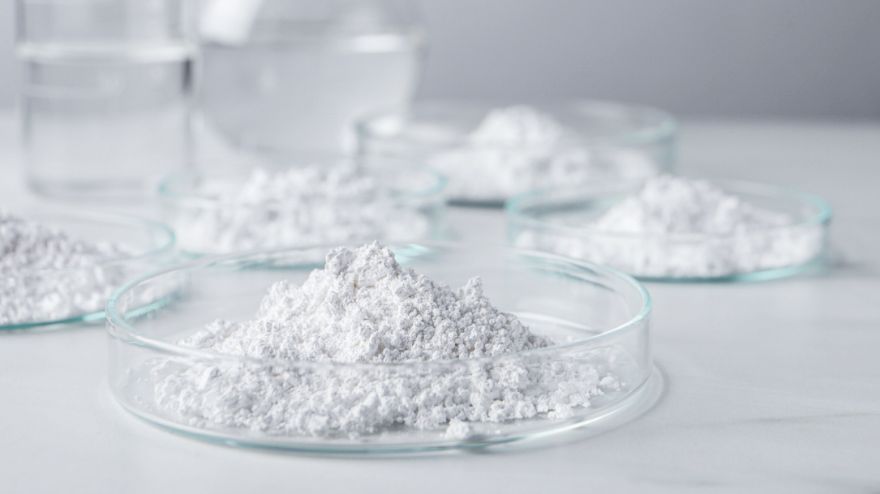
CCU calcium carbonate

CCU calcium carbonate

  • PCCX-001
  • PCCX-002
  • PCCX-004
  • PCCX-007

Application

Flexible applications as a higher value-added material

Calcium carbonate produced through CCU technology has traditionally been used mainly for limited applications such as cement and aggregates. In contrast, CR LIMEX aims to achieve carbon neutrality by long-term CO2 sequestration while enabling use across a wide range of applications, including building materials. As a higher value-added material, it offers flexible possibilities for various applications.

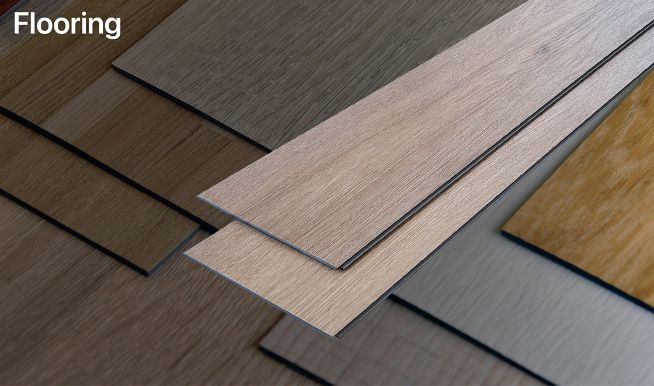
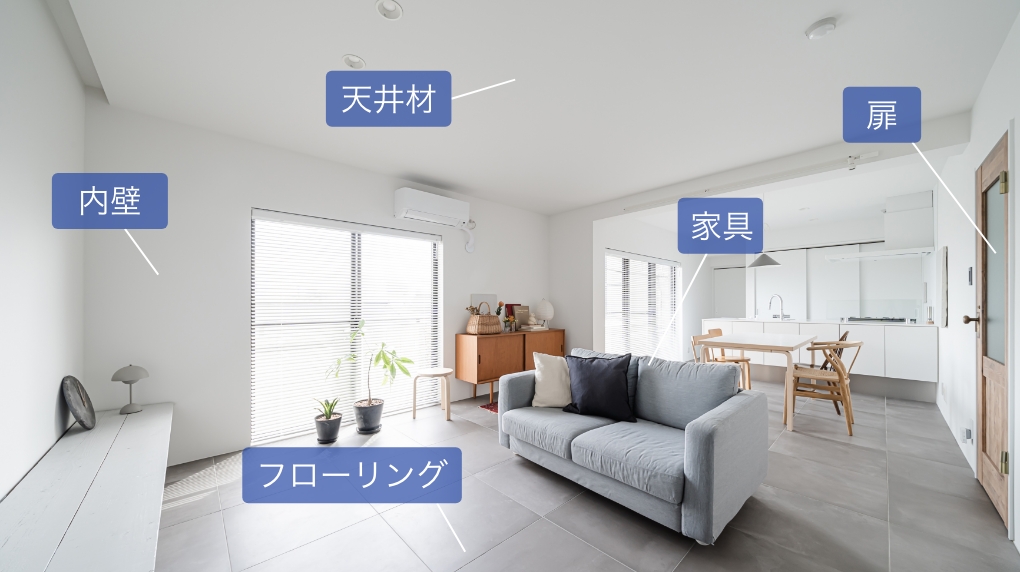
SPC Flooring

SPC Flooring

A composite flooring material blended with CCU calcium carbonate. It retains the water and scratch resistance of SPC, while offering a CCU flooring material that fixes CO2. An eco-friendly building material suitable for both commercial facilities and homes.

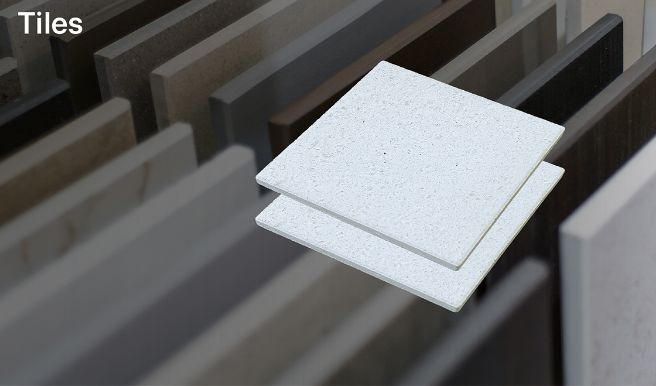
Interior Tiles

Interior Tiles

An interior tile blended with CCU calcium carbonate. While maintaining excellent design quality and texture, as well as humidity control and deodorizing functions, it is a CCU interior tile that fixes CO2. An eco-friendly building material ideal for creating sustainable spaces such as office meeting rooms, restrooms, and living areas.

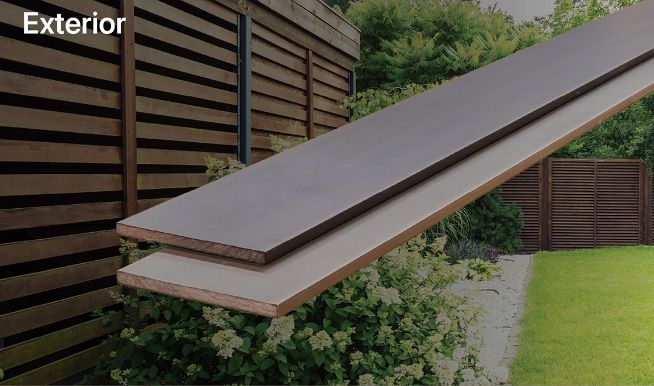
Outdoor Fencing

Outdoor Fencing

A highly durable outdoor fence made with resin blended with CCU calcium carbonate. It offers a wood-like look while being highly resistant to decay and easy to maintain. This CCU outdoor fence fixes CO2 and helps reduce carbon emissions from exterior spaces.

Carbon neutrality in construction industry can be achieved by using CCU calcium carbonate

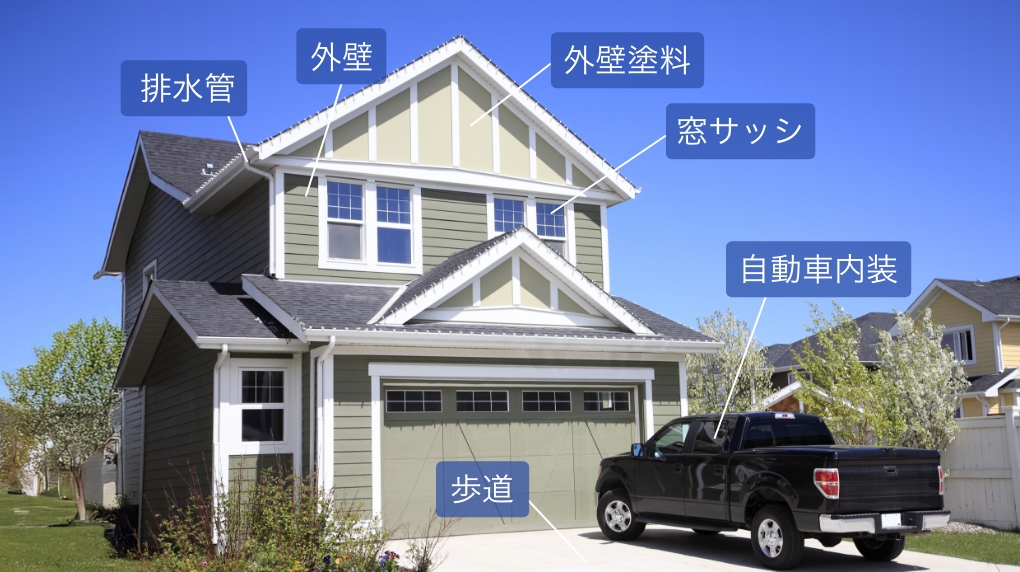
Taking advantage of the characteristic of CO₂ that it can be fixed for a long period of time in various substances, we are promoting its use as industrial materials with medium- to long-term uses, particularly in building materials, furniture, electronics, and automobile parts. We will promote Decarbonization of businesses that use it and contribute to the realization of carbon neutrality.

  • Examples of use in building materials
  • Examples of use in building materials

Technology

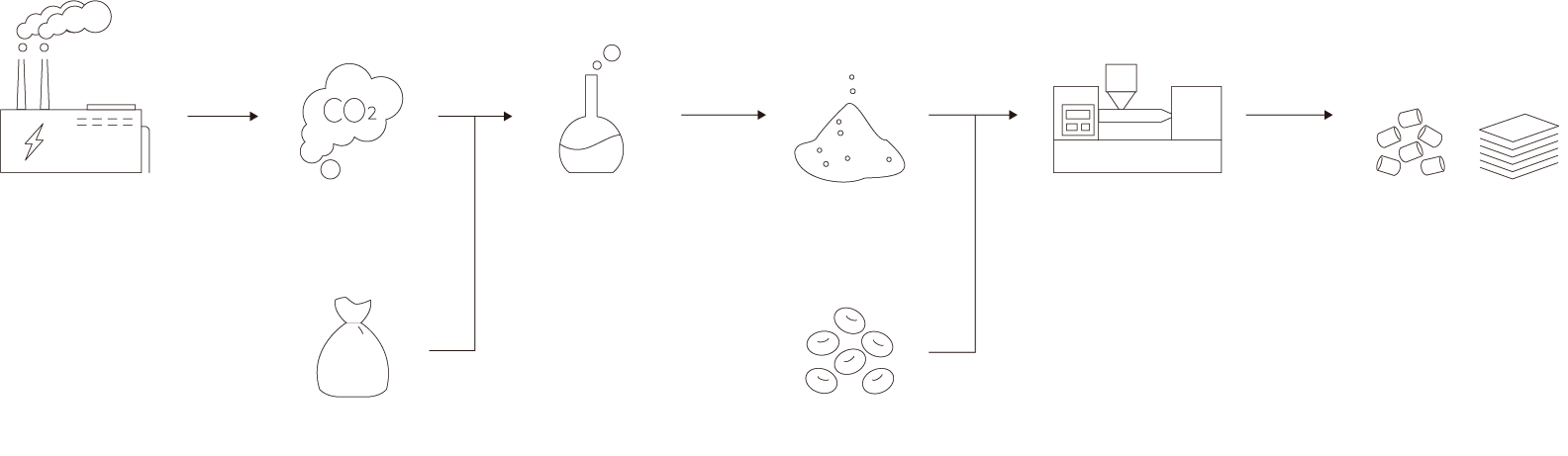
Low-carbon material "CR LIMEX" Using CCU technology

CCU is a technology that regards CO₂ as a carbon resource (carbon), captures it, and reuses (recycles) it as a variety of carbon compounds.

The captured CO₂ can be used as a raw material to produce fuels, chemicals, and minerals, which reduces GHG emissions, including CO₂, released into the atmosphere compared to conventional fossil fuel-derived products, thereby contributing to solving the issues of climate change.

LIMEX's main raw material, calcium carbonate, is not derived from minerals such as limestone, but from CO₂ captured from the atmosphere or exhaust gases using carbon recycling technology.

CR LIMEX*1" is a product that promotes carbon neutrality by replacing mineral-derived calcium carbonate used in conventional LIMEX, which is mainly made from limestone, with CCU calcium carbonate*2 chemically synthesized in a low environmental impact process from CO By replacing calcium with calcium, we promote our contribution to carbon neutrality. low-carbon material

In addition, the resin used as a secondary raw material is recycled plastic made from waste plastic discharged from factories, which also promotes material circulation.

*1 CR LIMEX is a composite material with an inorganic filler dispersion system that contains more than 50% inorganic substances such as calcium carbonate, just like the conventional LIMEX material.

How CR LIMEX is Made

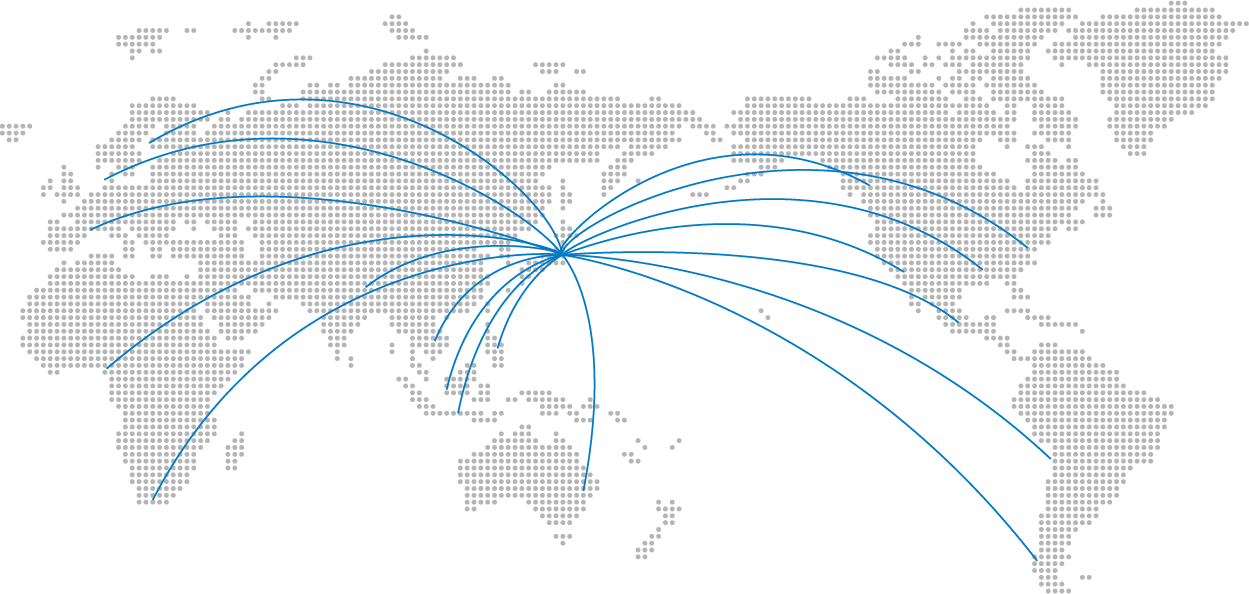
Global Expansion Map

Features

Features of CR LIMEX

1. Fixation of CO₂ derived from exhaust gases

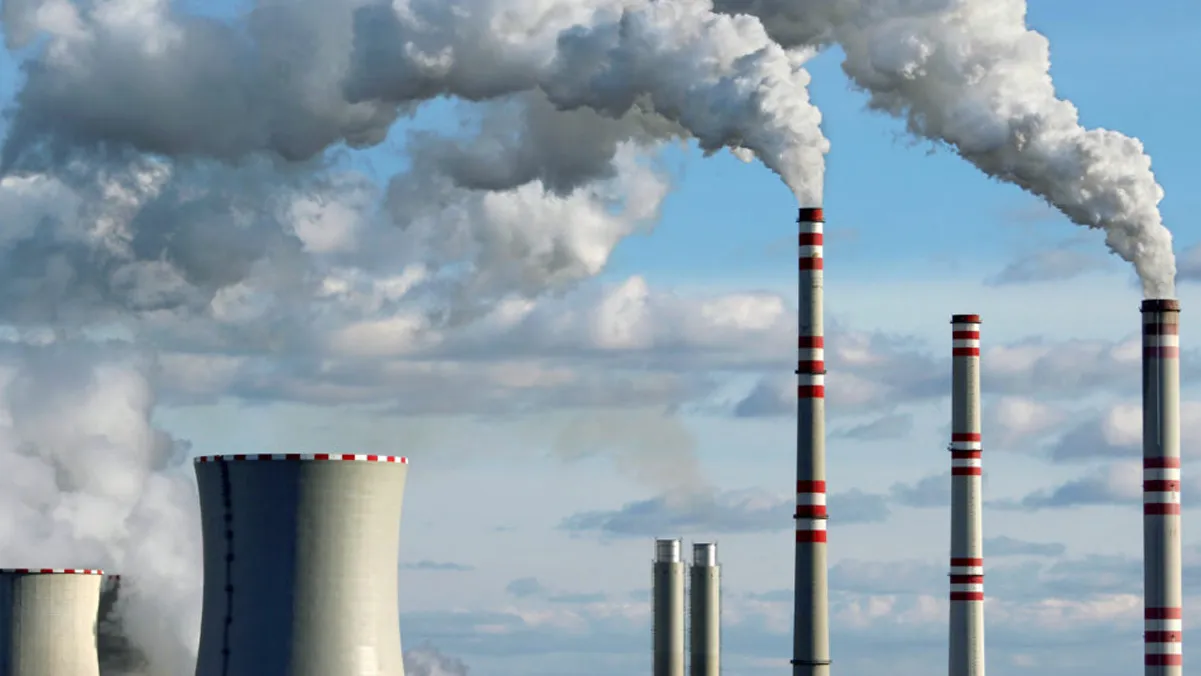
By fixing CO₂ derived from exhaust gas as chemically synthesized CCU calcium carbonate, the material contains approximately 25% CO₂ (by weight).* When used in products, CO₂ derived from exhaust gas can be fixed for a long period of time unless it is incinerated.

Image of technology

2. Uses recycled plastic, contributing to material circulation

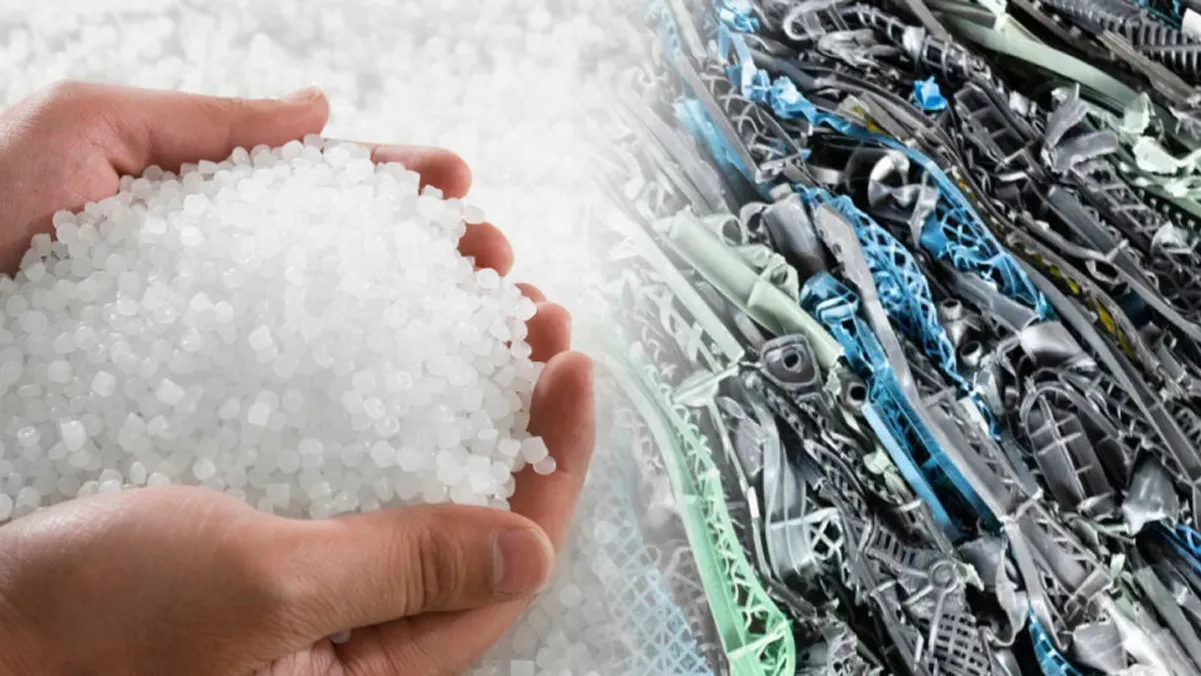
By using recycled plastics derived from waste plastics as the secondary raw material for the resin portion, we are not only making effective use of CO₂ through carbon recycling technology, but also contributing to material circulation through plastic mechanical recycling.

Image of technology

3. Reduce greenhouse gas emissions and the use of petroleum-based plastics

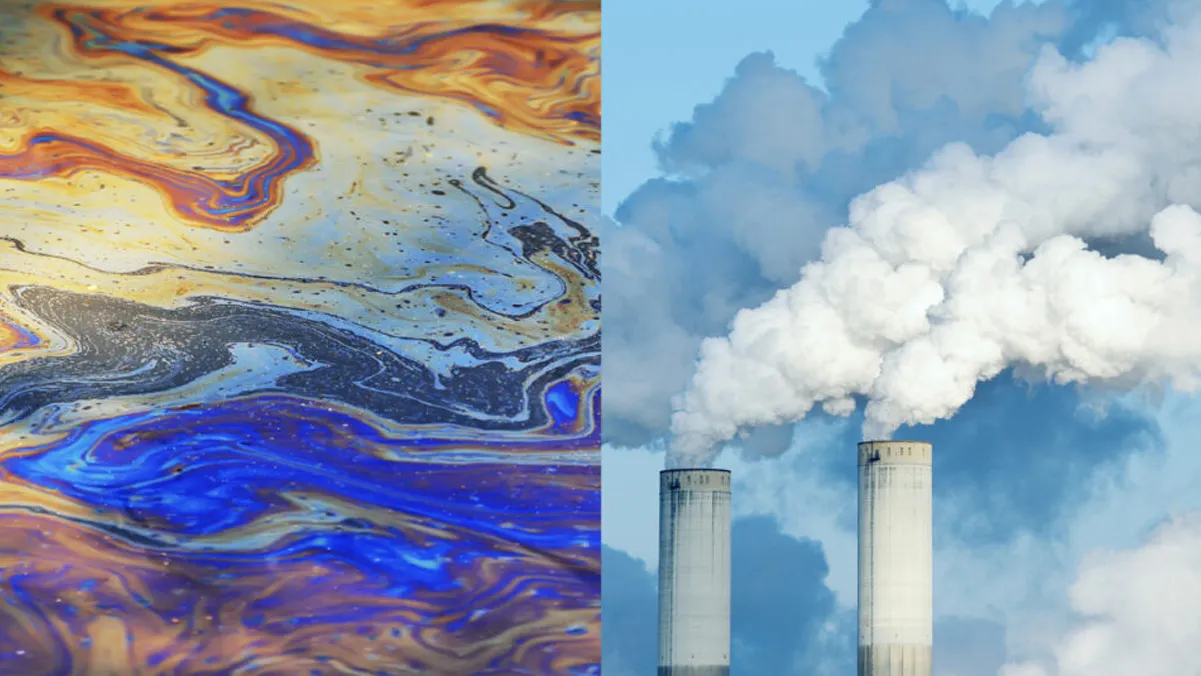
Compared to conventional virgin plastics, CR LIMEX is expected to reduce greenhouse gas emissions by approximately 34% during raw material procurement, pellet manufacturing, and the incineration processes and usage of petroleum-based plastics will be reduced by around 34%.*

Image of technology

4. Calcium carbonate control technology is used to provide stable moldability

By leveraging the calcium carbonate control technology developed through LIMEX production, "CR LIMEX" can also be manufactured using existing plastic molding equipment, ensuring consistent product quality.

Image of technology

Background

Development history of next-generation LIMEX

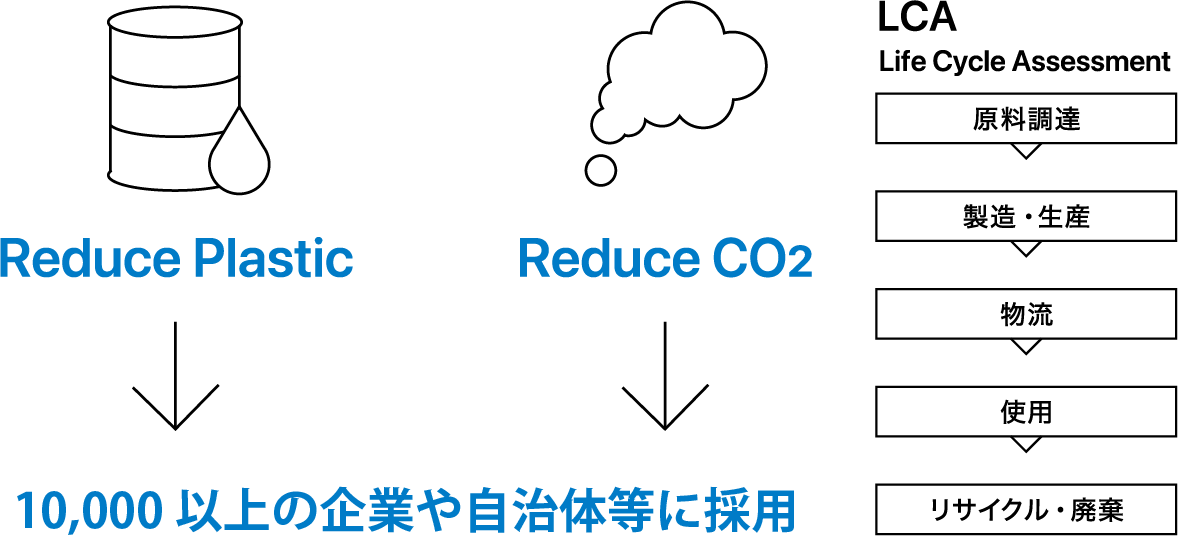
LIMEX is an inorganic filler-dispersed composite material containing over 50% inorganic substances such as calcium carbonate. Until now, the use of limestone-derived calcium carbonate, which is abundant and has low risk of depletion, has been used as an alternative material for plastics that can reduce the amount of petroleum-based plastics used and CO₂ emissions throughout the life cycle, and also reduce water consumption. It has already been adopted by more than 10,000 companies and local governments (including the number of business establishments) as an alternative material to paper that reduces waste.

In 2013, TBM was selected for the Ministry of Economy, Trade and Industry's innovation center location promotion project "Subsidy for advanced technology demonstration and evaluation equipment maintenance costs, etc.", and from 2016 we will expand the use of products using LIMEX materials in society, and in 2021. With the support of the Ministry of Economy, Trade and Industry's "Subsidy for the location of companies that create employment in areas affected by tsunami and nuclear disasters (manufacturing industry location support project)", we completed a mass production factory (Tagajo City, Miyagi Prefecture), and have expanded our business both domestically and overseas. We have also built a global supply chain by establishing a production system for LIMEX materials and establishing overseas subsidiaries.

In terms of research and development, we have been adopted by the New Energy and Industrial Technology Development Organization (NEDO)'s Strategic Energy Saving Technology Innovation Program, and have been working on material development through open innovation with many domestic and international partners. We have also registered more than 250 patents worldwide, obtained in more than 50 countries. Our technology has been introduced at international conferences such as COP and G20, and is also registered as an excellent Japanese technology in the UNIDO (United Nations Industrial Development Organization) Sustainable Technology Promotion Platform "STePP."

The development of CR LIMEX was also adopted by NEDO as part of its "Startup Commercialization Promotion Project Utilizing Local Technological Seeds and Technological Seeds in the Energy and Environmental Sectors." In addition, the company has conducted joint research with Tohoku University.

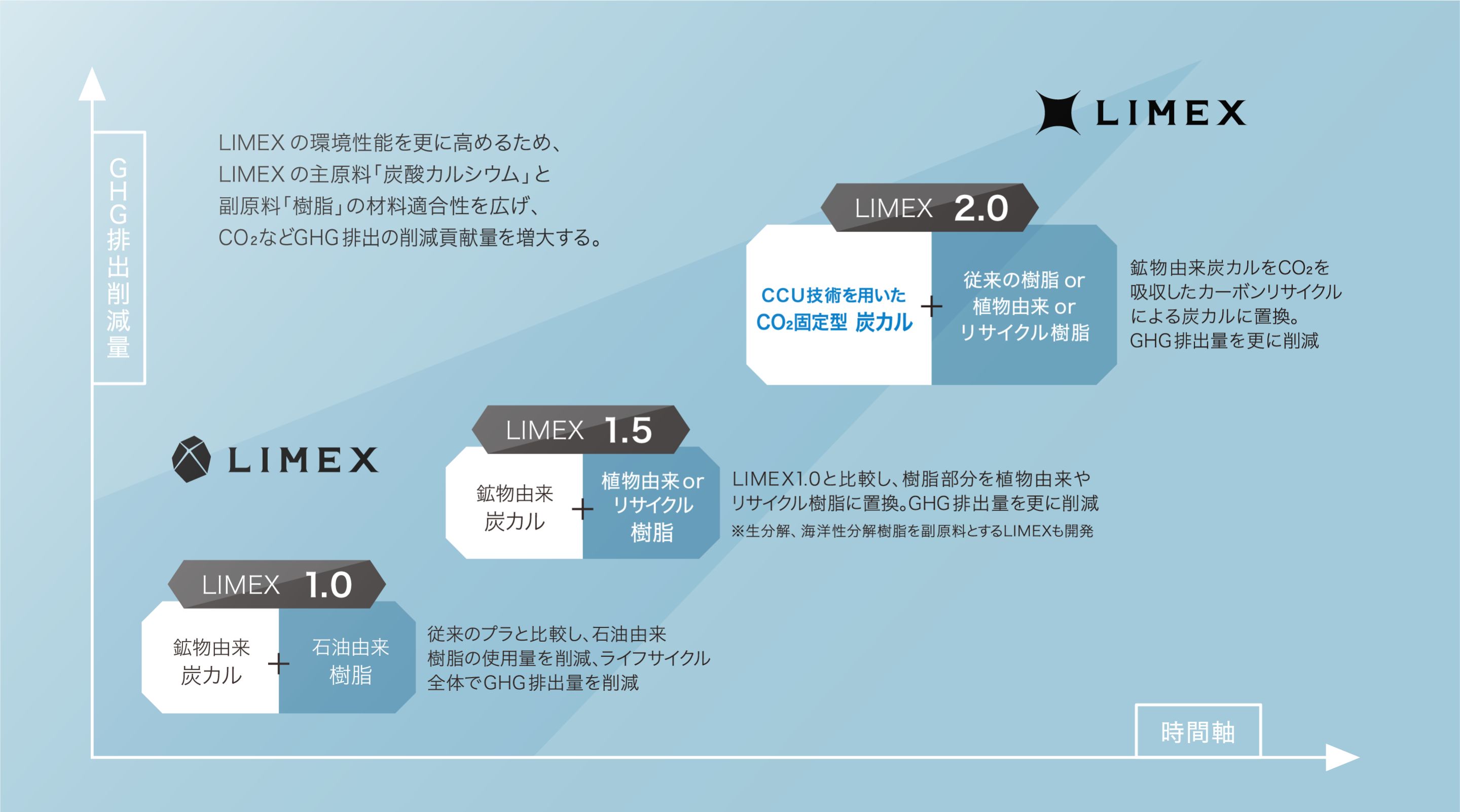
In the future, TBM will aim to mass produce the next-generation LIMEX announced this time, and at the same time, will further reduce its environmental impact by using plant-derived resins and recycled resins for the resin part, which is an auxiliary raw material, instead of conventional petroleum-derived ones. In the future, we will promote the development of carbon negative materials.

The evolution of LIMEX
Unicorn Community

As a member of the World Economic Forum's Unicorn Community, I attended the World Economic Forum's Annual General Meeting (commonly known as the Davos Conference, held from January 15th to 19th, 2024 in Davos, eastern Switzerland). At the same time, we announced prototype injection molded products and sheet products that will serve as prototypes for the next-generation LIMEX.

In addition to global innovation through the technological capabilities of the new material "LIMEX," TBM was recognized for its operation of Japan's largest material recycling plant, construction of a material recycling system for LIMEX and plastics, and business related to resource circulation. We participated in the "Unicorn Community" in June.

Davos Meeting Live 2024 (TV Tokyo BIZ YouTube Channel) Interview video here Agenda paper (contributed article) here

CCU to Decarbonization
Huge impact

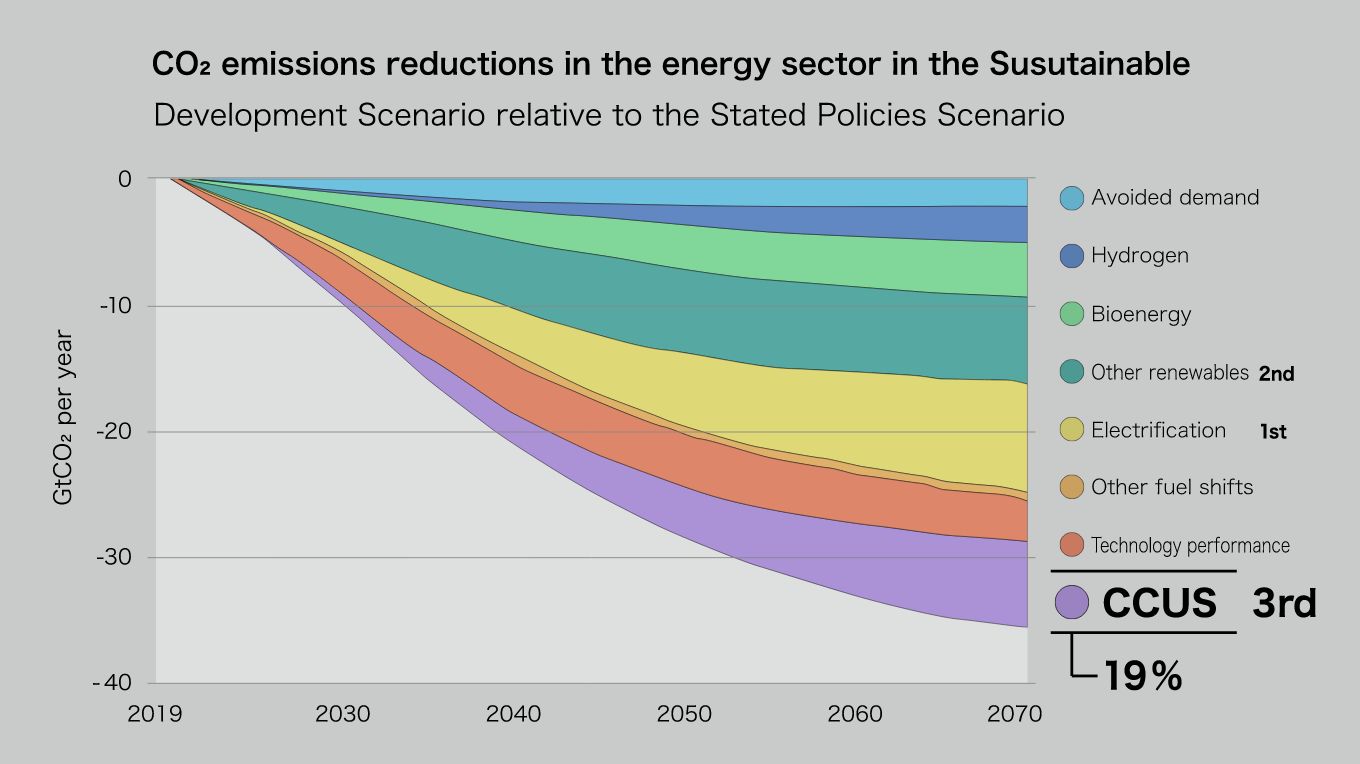
According to IEA predictions, CCUS (Carbon Capture, Utilization, Storage), which includes CCU technology, is expected to contribute to reducing energy-related CO2 emissions by approximately 19%, making it one of the top three. The spread of CCU technology can make a significant contribution to creating a carbon-neutral society.

CCU 's huge impact on Decarbonization Source: IEA “Energy Technology Perspectives 2020”
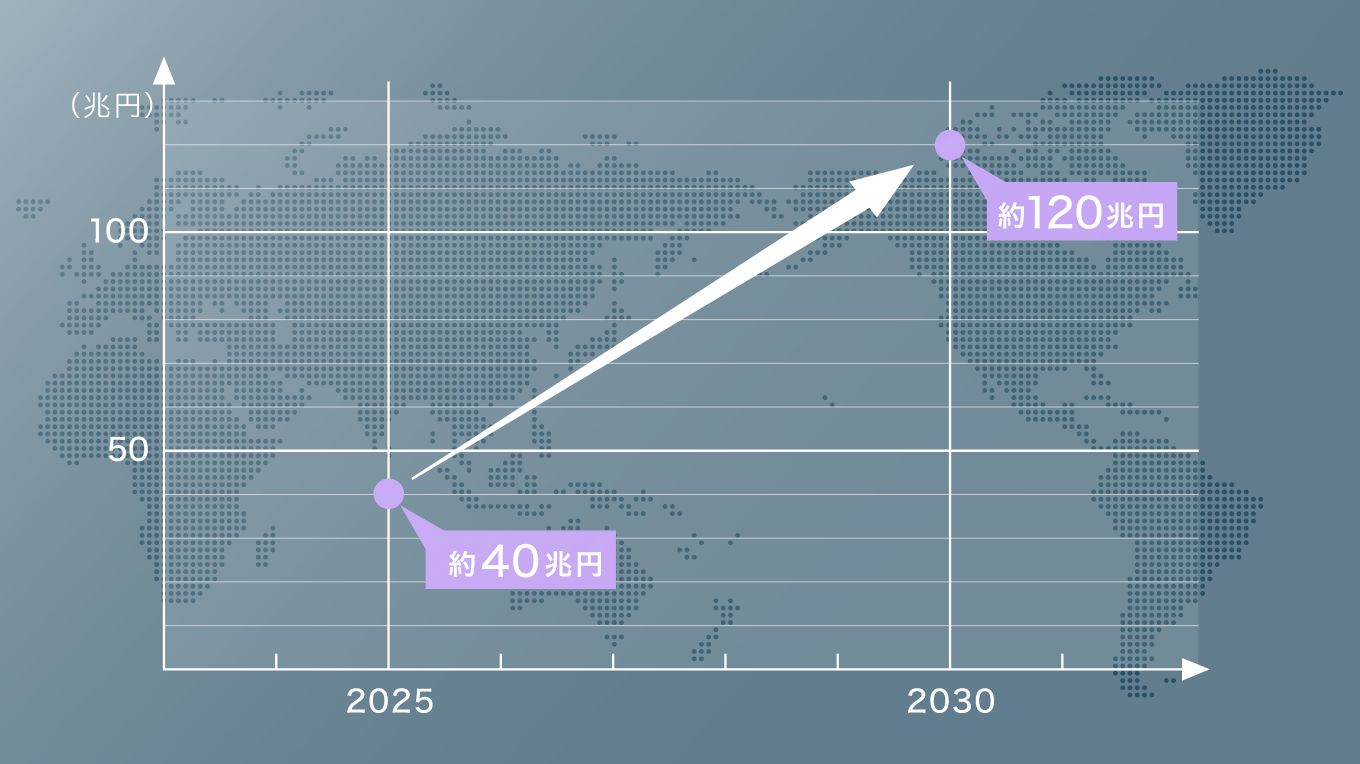
The rapidly growing CCU market

According to ICEF's forecasts, the market size for products made using CCU technology from CO2 could grow to $297.5 billion (approximately 40 trillion yen) in 2025 and $837 billion (approximately 120 trillion yen) in 2030.

The rapidly growing CCU market Source: The Innovation for Cool Earth Forum (ICEF);
Carbon Dioxide Utilization (CO2U) – ICEF ROADMAP 1.0, assuming 1 USD = 140 JPY

CCU 15 years ahead of schedule
Achieving practical application

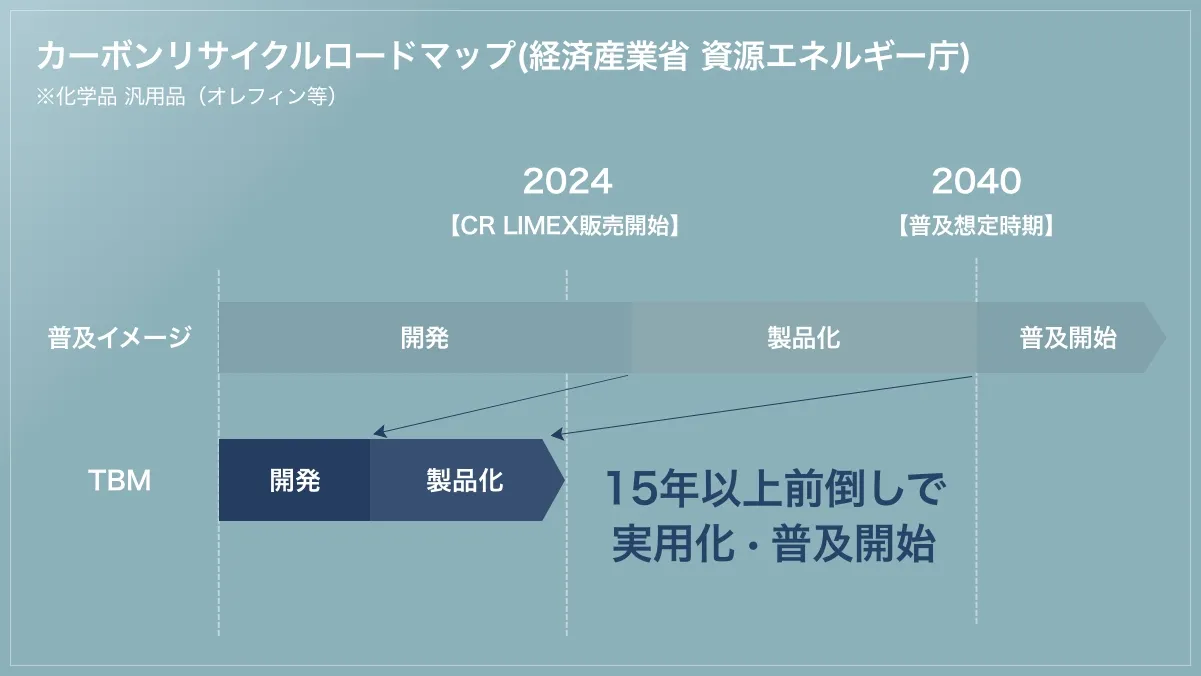
Carbon recycling is recognized as one of the key initiatives in Japan's GX (Green Transformation) strategy, promoted by the Japanese government. According to the government’s "Carbon Recycling Roadmap," the widespread adoption of carbon-recycled products to replace conventional virgin plastics was originally targeted for around 2040. However, TBM has already obtained a domestic patent for "CR LIMEX" and achieved the advanced commercialization of carbon recycling in general-purpose chemicals (olefins) in 2024—15 years ahead of the initial timeline. The company has also started promoting its adoption.

Source: Ministry of Economy, Trade and Industry, Agency for Natural Resources and Energy, "CCU Roadmap"

Developer story

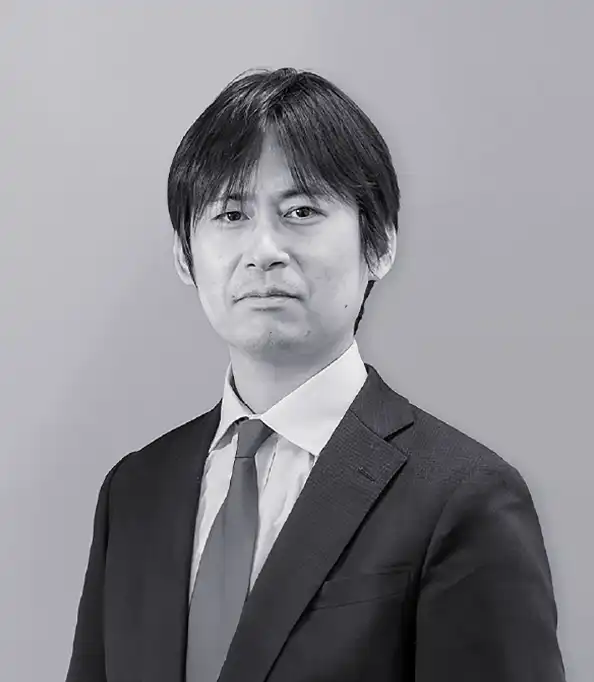
Mr. Nakamura's image

Tomoya NakamuraCKOExecutive Officer, Head of Next Generation Business Division

After joining Accenture's Strategy Group in 2008, he gained experiences in a wide range of projects including medium-term planning for manufacturing clients, new market entry strategy formulation, sales reform, and digital transformation. In 2017, he joined TBM Co., Ltd. and was involved in overseas expansion and application development. In 2018, he was involved in the grouping of Bioworks Co., Ltd. and became a director. In 2021, he was involved in a capital and business alliance with the SK Group and became a director of SK TBMGEOSTONE, a joint venture with the SK Group.

Challenges to popularize CCU technology

I am very pleased that we are now on track to develop next-generation LIMEX, which captures CO₂ from exhaust gas and uses it as a raw material.

To balance Decarbonization with population growth and economic development in developing countries, it is essential not only to reduce CO₂ emissions but also to absorb and reuse emitted CO₂. According to IEA estimates, CCUS will have to account for approximately 19% of the energy sector's carbon footprint in 2070.

However, we cannot wait until 2070. The Ministry of Economy, Trade and Industry's CCU Roadmap also states that products using CCU technology will become widespread from around 2030, but we have taken on the challenge of bringing this forward and spreading products using CCU technology throughout society as soon as possible.

Carbonates, including calcium carbonate, are made from CO₂ as a raw material, but due to technical and quality issues, they have been considered primarily for use as a raw material for concrete and cement, but the cost has not been feasible.Next-generation LIMEX is a high-value-added outlet for this calcium carbonate, and as we aim to be a top player in the sustainability field, we feel that we have a responsibility to take the lead in spreading CCU technology with next-generation LIMEX.

The contents of the public comments from TBM were also recognized in the basic policy for realizing GX in Japan, and measures to support the introduction of calcium carbonate products and stimulate demand were added to the section on CO₂-reducing concrete.

Although our challenge has only just begun, we will continue to strive to popularize CCU technology and meet the expectations of the countries, local governments, and many companies that support us. Thank you for your continued support. .

×
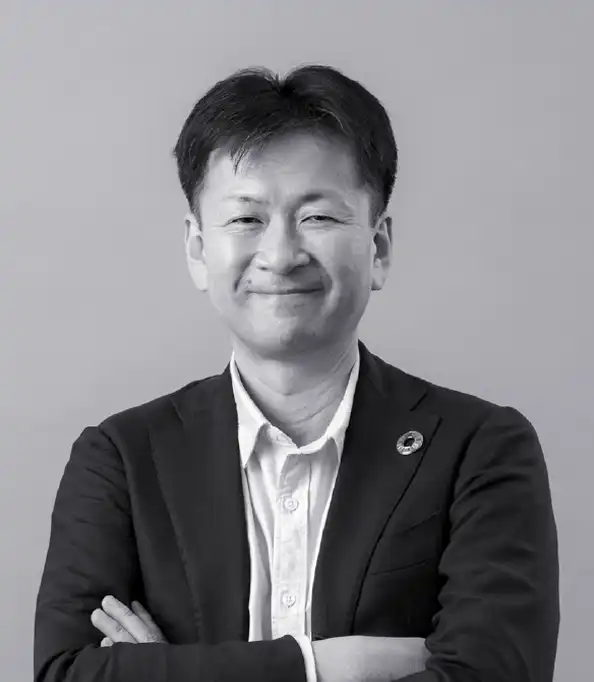
Mr. Takamatsu's image

Yorinobu Takamatsu Technology Center Director

After graduating from Waseda University's Graduate School, he joined 3M Japan Ltd., where he engaged in research and development of polymer technology and held the position of Senior Specialist (Technical Ladder). His work focused on the molecular design and polymerization technology of acrylic-based adhesives and pressure-sensitive adhesives, as well as their application to manufacturing technologies. They filed 108 domestic patent applications (including 54 international applications), obtained 43 patents, and contributed to launching various products, generating approximately 20 billion yen in annual sales. In 2021, they joined TBM. At the core of TBM’s technological foundation, the Technology Center, he have been involved in a wide range of material development tasks, including developing compound materials suitable for various applications of LIMEX and CirculeX, adding functional properties, and creating new products.

Development of next-generation LIMEX that brings together technical know-how

As the director of the Technology Center, our technology base, I am promoting the development of LIMEX for a variety of applications. The core technology of TBM is a kneading technology to uniformly fill the resin with 50% or more of inorganic filler, such as calcium carbonate, and a kneading technology that is compatible with existing molding methods (injection, extrusion, blowing, inflation, vacuum, etc.). This is the compounding technology and molding technology.

Calcium carbonate obtained by CCU technology and the heavy calcium carbonate currently mainly used are similar and different, and we have developed an understanding of their production mechanism, clarified the differences in their properties, and the technical know-how we have accumulated to date. We are bringing together the following and developing it into the next generation of LIMEX. I want to spread LIMEX so that everything around us becomes LIMEX.

×
Mr. Takahashi's image

Kenshi Takahashi Next Generation Business Headquarters / Production Technology Department

After graduating from the Graduate School of Environmental Studies at Tohoku University, he joined Mitsubishi Materials Corporation. He was involved in the development of waste recycling processes and supported the launch of a new factory. In 2021, he joined TBM Co., Ltd. He was involved in the launch of the Tohoku LIMEX factory and the improvement of production processes, and promoted technological development to realize CR LIMEX.

Toward realizing the potential of next-generation LIMEX

I have been working on solving environmental and recycling issues since my university days. As I turned 30, I was looking for a new challenge and came across LIMEX. I was attracted to its innovative concept and the potential to further improve environmental performance by utilizing CCU technology, so I joined TBM.

Technology development for next-generation LIMEX started around April 2021. However, at that time, the in-house research environment was not fully developed, and we had to think about how to specifically conduct research and how to proceed efficiently with limited resources. Meanwhile, with the cooperation of professors at Tohoku University, with whom we had contact, we gradually verified the technology and developed into joint research with the same university. Furthermore, it was selected as a NEDO grant project, accelerating development. Despite all the hardships we faced, I believe we were able to achieve commercialization in a short period of time.

However, there are still many challenges to overcome before this technology can be put into practical use in society. Furthermore, calcium carbonate produced through CCU has the potential to not only improve environmental performance, but also to be endowed with a variety of other functions. We will continue to work hard to realize this great potential.

×
LIMEX2.0 logo

Low Impact Material for Earth