
Material Circulation Business
- About material circulation business
- Surrounding the business
Environment and challenges - Recycling plant operation
- General Incorporated Association material circulation
Strengthening cooperation with the Promotion Council - Contact
Updating Factory for Material Circulation
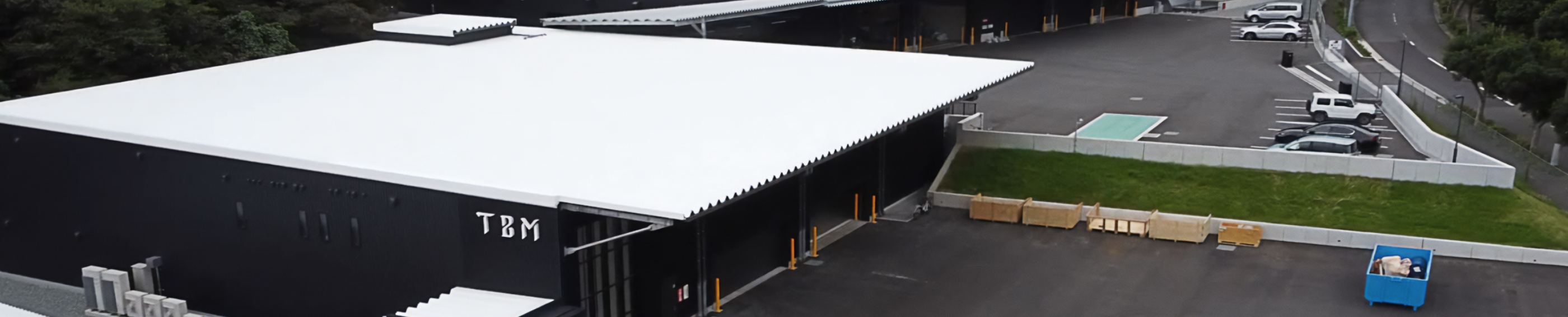
In Japan, waste plastic treatment still relies heavily on incineration, making it difficult to secure a stable supply of high quality recycled material. In response, we operate one of the largest plastic mechanical recycling plants in the country to produce high quality recycled containers and packaging materials (PCR). Drawing on the proprietary development technologies and R&D capabilities built through our material development business, we have not only solved long standing issues with recycled containers and packaging materials, such as odor and loss of physical properties, but for some grades have also achieved durability comparable to or greater than PIR and virgin plastic. We also support the trading of high quality recycled material in a way that ensures both quality and transparency. This promotes secure recycled material procurement for companies that are unwilling to compromise on quality.
Business Environment and Challenges
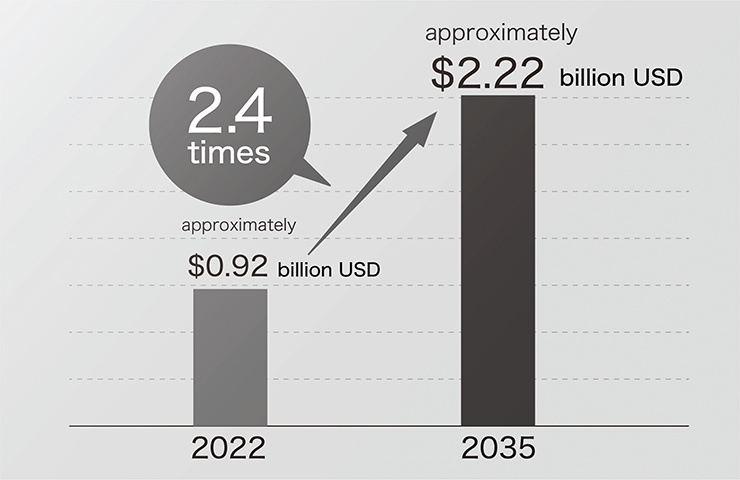
As the world moves toward a circular economy, Japan generates 7.69 million tons of waste plastic each year, but only 22 percent is mechanically recycled and around 70 percent is incinerated. In line with tighter international regulations and domestic policies, demand is growing for material circulation models that use mechanical recycling to reduce CO₂ emissions and recover resources. In the meantime, the domestic recycled plastic market is expected to reach about 350 billion yen by 2035. However, stable-quality PIR (post industrial recycled plastics) is in short supply, driving up prices and making procurement difficult, while low-cost recycled containers and packaging materials (PCR) have faced problems with quality variation, odor, and insufficient durability. Using proprietary technologies and process improvements developed through our core material development business, we have dramatically improved the odor and strength issues that have historically affected PCR.
Most plastics are burned, mechanical recycling is essential

Recycled Plastic Market Size in Japan
Recycling Plant Operation
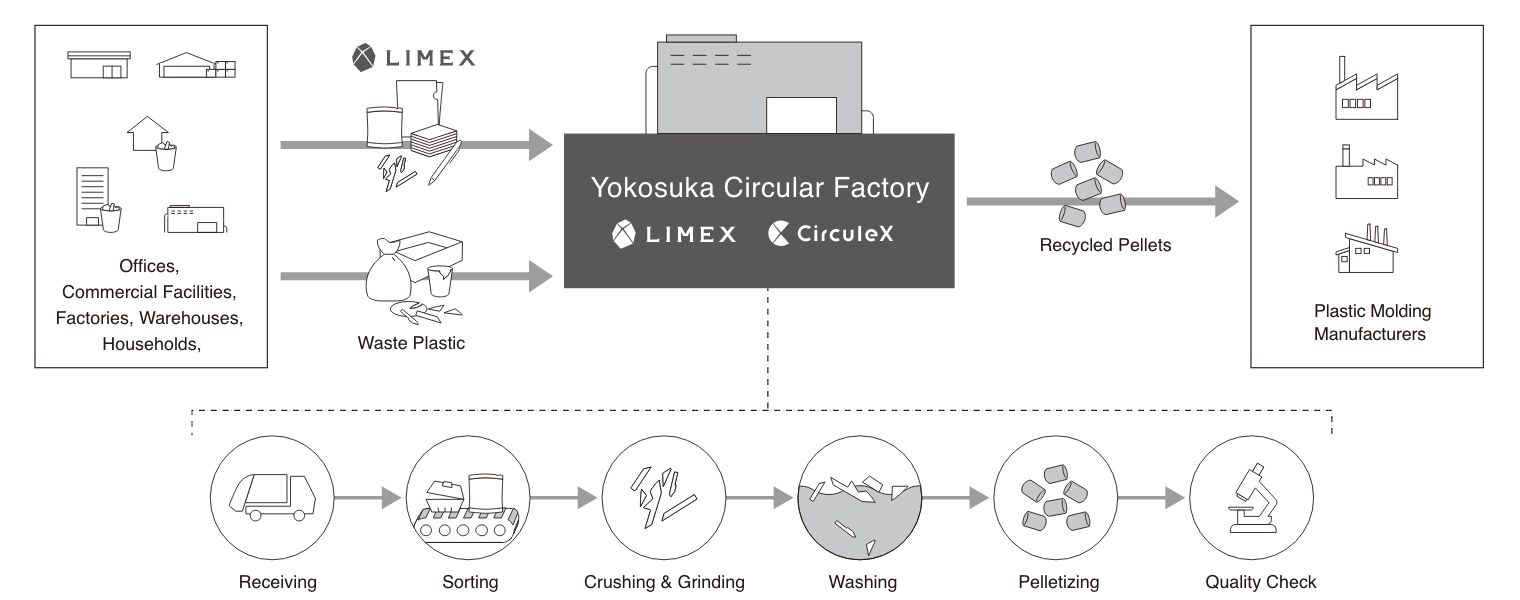
Since 2023, we have been operating a plant that uses advanced near infrared automatic sorting to separate post consumer household plastic containers and packaging (PCR) by resin type and mechanically recycle them into high quality recycled containers and packaging materials. Leveraging proprietary material development technologies and R&D capabilities, we have resolved issues such as odor, loss of physical properties, and insufficient durability, enabling a stable supply of high quality, price competitive recycled material.
Features of Yokosuka circular factory
・Large-scale plant for automatically sorting and recycling general-purpose plastics by resin type
Working with a major overseas sorting equipment maker, we use near infrared detection and a proprietary sorting program, including automatic LIMEX only sorting.
・One of Japan's largest plastic material recycling plants
With about 40,000 tons of annual processing capacity and 24,000 tons of recycled pellets, it is among Japans largest plastic mechanical recycling facilities.
・ISO 9001 certified quality management at the Yokosuka circular factory
The Yokosuka circular factory is certified under the international quality management standard ISO 9001, enabling us to supply high quality recycled material stably under a strict management system .
Recycling Plant Operation Expansion Strategy
1. Container and Packaging Recycling Association Route
Obtained indirect underwriting contracts through multiple local governments and the Container and Packaging Recycling Association (over 13,290 tons in FY2023)
2. Ministerial Certification Route (New Plastics Law)
Obtained direct underwriting contract from Yokosuka City
Click here for detailsStrengthening cooperation with Resource Recycling Council

TBM serves as the secretariat of the Resource Recycling Council, a general incorporated association.
Large corporations and startups
Financial operators, experts, local governments, etc.
In collaboration with various stakeholders involved in material circulation,
4,520 (As of April 2026) The above members participated.
Towards the realization of a circular economy
① "Policy recommendations"
② "Social demonstration and implementation"
③ We will promote activities that involve "sharing and disseminating information."
Contact
If you have any questions about quotations and introduction of recycled material, or if you have any inquiries about buying and selling recycled material,
Please feel free to contact us using the form below.