Press release

  • LIMEX

TBM Launches Sales of CR LIMEX,  Low-Carbon Material Using Carbon Recycling Technology

Towards CO2 reduction through CO2 fixation technology and Early Social Implementation of Alternative Plastics

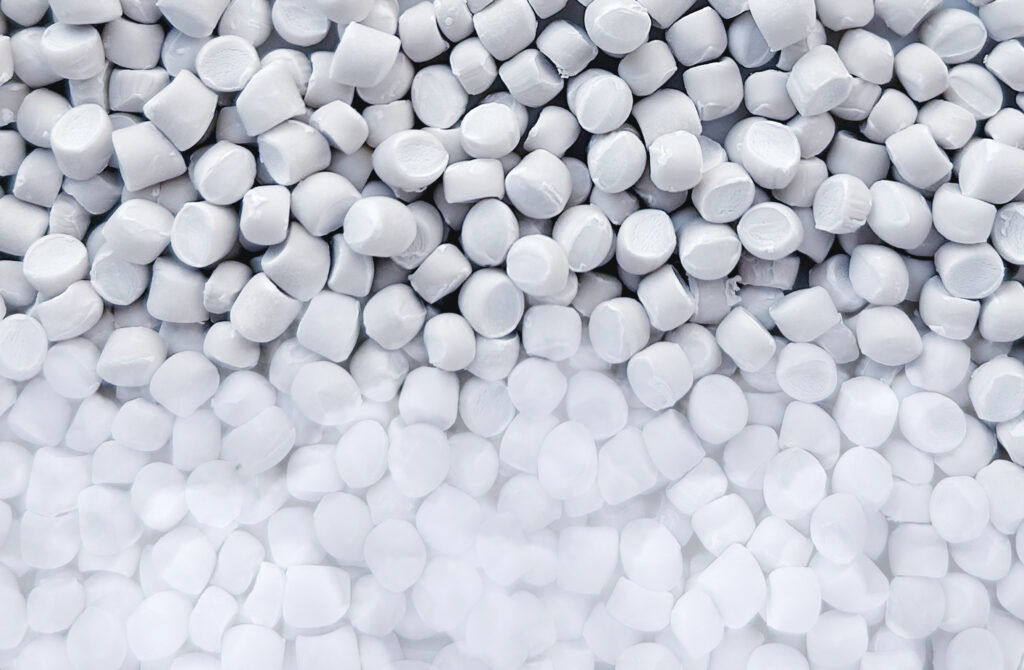
TBM Co., Ltd. (hereafter "TBM") announces the launch of sales for "CR LIMEX,”* a low-carbon material developed using carbon recycling technology, introduced at this year's Annual Meeting of the World Economic Forum (Davos Meeting). The newly launched "CR LIMEX" is an injection-moldable material made from the combination of CO2-derived calcium carbonate and recycled plastics.

Carbon recycling is garnering global attention as an innovative technology for carbon neutrality. It is key within the Japanese government's Green Transformation strategy, with the “Carbon Recycling Roadmap (2023)” stating an aim to begin installing carbon recycling products to society as alternative to conventional plastics by 2040.

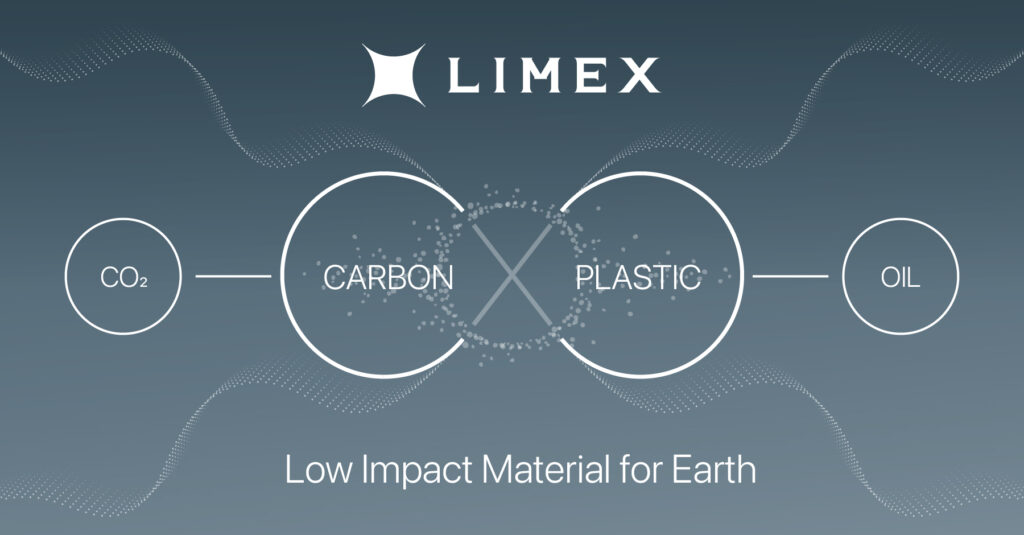
"CR LIMEX," developed by TBM, primarily uses CCU (Carbon Capture and Utilization) calcium carbonate as its main raw material. This calcium carbonate is chemically synthesized through a low-environmental-impact process utilizing CO₂ from exhaust gases and calcium-rich waste from factories. For its secondary raw material, the resin component, CR LIMEX incorporates recycled plastics obtained by reprocessing factory waste plastics. This combination explains how CR LIMEX reduces environmental impact compared to conventional virgin plastics, and thus contributes to carbon neutrality and promotes plastic resource circulation. The material's development has been granted a domestic patent, achieving the advanced practical application of CO₂ fixation technology. Going forward, TBM will promote the widespread adoption of the conventional LIMEX, which uses mineral-derived calcium carbonate as its main raw material, while advancing the adoption of "CR LIMEX" and developing new applications. The company also aims to contribute to the creation of carbon credits.

*"CR LIMEX," like the conventional LIMEX, falls under the category of inorganic filler-dispersed composite materials containing 50% or more inorganic substances such as calcium carbonate. (CR=Carbon Recycle)


Background

Amid growing global demands for greenhouse gas (GHG) reduction and the urgent need for climate change countermeasures, the widespread adoption of carbon recycling technology is expected to make a significant contribution towards a carbon-neutral society. According to IEA*1, approximately 19% of the reduction in energy-related CO₂ emissions by 2070 will be achieved through Carbon Capture, Usage, and Storage (CCUS), including carbon recycling technology, placing it among the top three solutions, following electrification and renewable energy.

In Japan's GX strategy, carbon recycling is seen as ripe for investing, with expectations for innovative technologies and the creation of industries. The "Carbon Recycling Roadmap," developed to achieve the 2050 carbon neutrality goal, sets the timeline for the widespread adoption of carbon recycling products as alternatives to conventional virgin plastics to begin around 2040, highlighting the importance of societal implementation and promotion of carbon recycling technologies*2.

Globally, efforts to promote carbon recycling are accelerating. In the United States, subsidies and tax incentives for CCUS technologies are implemented through the "Inflation Reduction Act (IRA)." The European Union, through initiatives like "Fit for 55" and the "European Green Deal," is promoting CO₂ reduction and reuse technologies while implementing carbon pricing to support technological advancements. Financially speaking, the carbon recycling market is expected to grow from approximately 18 trillion yen in 2022 to around 277 trillion yen by 2050. Among this, the market for CO₂-utilized products is projected to expand from about 9 trillion yen in 2022 to approximately 71 trillion yen by 2050*3.

※1.IEA “Energy Technology Perspectives 2020

※2.Ministry of Economy, Trade and Industry (METI), Agency for Natural Resources and Energy. “The "Carbon Recycling Roadmap"

※3.Fuji Keizai, Global Market Survey of Carbon Recycling/CO₂ Reduction Technologies and Materials


Features of "CR LIMEX," a combination of CO₂-derived calcium carbonate and recycled plastics

1.Achieving Fixation of CO₂ Derived from Emissions

By chemically synthesizing CO₂ derived from exhaust gases into CCU calcium carbonate, approximately 25% (by weight) of the material consists of CO₂*. When used in products, long-term fixation of CO₂ from exhaust gases can be achieved, provided the products are not incinerated.

*The CO₂ ratio may vary due to future additions or modifications to product grades.

2.Use of Recycled Plastics, Contributing to Resource Circulation

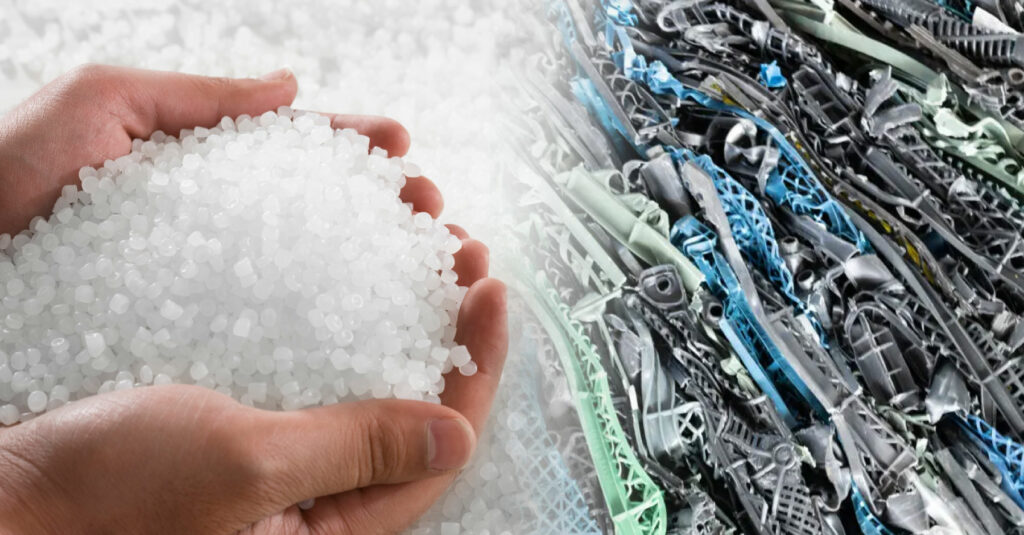
By utilizing recycled plastics derived from waste plastic as the resin material, CR LIMEX not only enables the effective utilization of CO₂ through carbon recycling technology but also contributes to resource circulation. This dual approach promotes both carbon neutrality and the recycling of plastic resources.

3.Reduction of Greenhouse Gas Emissions and Petroleum-based Plastic Usage

Compared to conventional virgin plastics, CR LIMEX is expected to reduce greenhouse gas emissions by approximately 34% during raw material procurement, pellet manufacturing, and the incineration processes and usage of petroleum-based plastics will be reduced by around 34%.*

*These are estimated values based on projections and are not guaranteed figures. The numbers may change depending on manufacturing conditions and other factors. Additionally, the greenhouse gas emissions and the usage of petroleum-based plastics may fluctuate due to future additions or modifications to product grades.

4.Ensuring Stable Moldability through Calcium Carbonate Control Technology

By leveraging the calcium carbonate control technology developed through LIMEX production, "CR LIMEX" can also be manufactured using existing plastic molding equipment, ensuring consistent product quality.


Past Achievements and Future Developments

TBM has advanced the development of "CR LIMEX" through various initiatives. The company was selected for the "Startup Business Promotion Project Utilizing Regional Technology Seeds and Energy/Environmental Technology Seeds" by the New Energy and Industrial Technology Development Organization (NEDO). TBM has also conducted joint research with Tohoku University. In January 2024, TBM participated in the World Economic Forum's "Unicorn Community" and presented prototypes of "CR LIMEX" injection-molded products and sheet products at the Davos Meeting. Alongside material development, TBM is promoting the social implementation of "CR LIMEX" materials and products through participation in the " Carbon Recycling Industry-Academia-Government International Conference" hosted by the Ministry of Economy, Trade, and Industry and NEDO, as well as through comprehensive partnership agreement with Tagajo City in Miyagi Prefecture. Moving forward, TBM plans to develop applications utilizing CO₂ fixation technology while strengthening collaboration with manufacturers, related companies across various industries, and local governments advancing decarbonization initiatives. TBM also aims to create carbon credits as part of its efforts.


[Contact for Orders]
For those considering the purchase of "CR LIMEX" or reviewing their current products with a focus on environmental initiatives, please contact us through the inquiry form at https://tb-m.com/contact/


What is "CR LIMEX"?

“CR LIMEX" is a low-carbon material that replaces the mineral-derived calcium carbonate used in conventional LIMEX, primarily made from limestone, with CCU calcium carbonate. This CCU calcium carbonate is chemically synthesized through a low-environmental-impact process using CO₂ derived from exhaust gases and calcium-rich waste materials, such as concrete sludge and steel slag from factories. "CR LIMEX" contributes to carbon neutrality, promoting the use of more sustainable materials.


[For more details]About "CR LIMEX" (TBM Website)